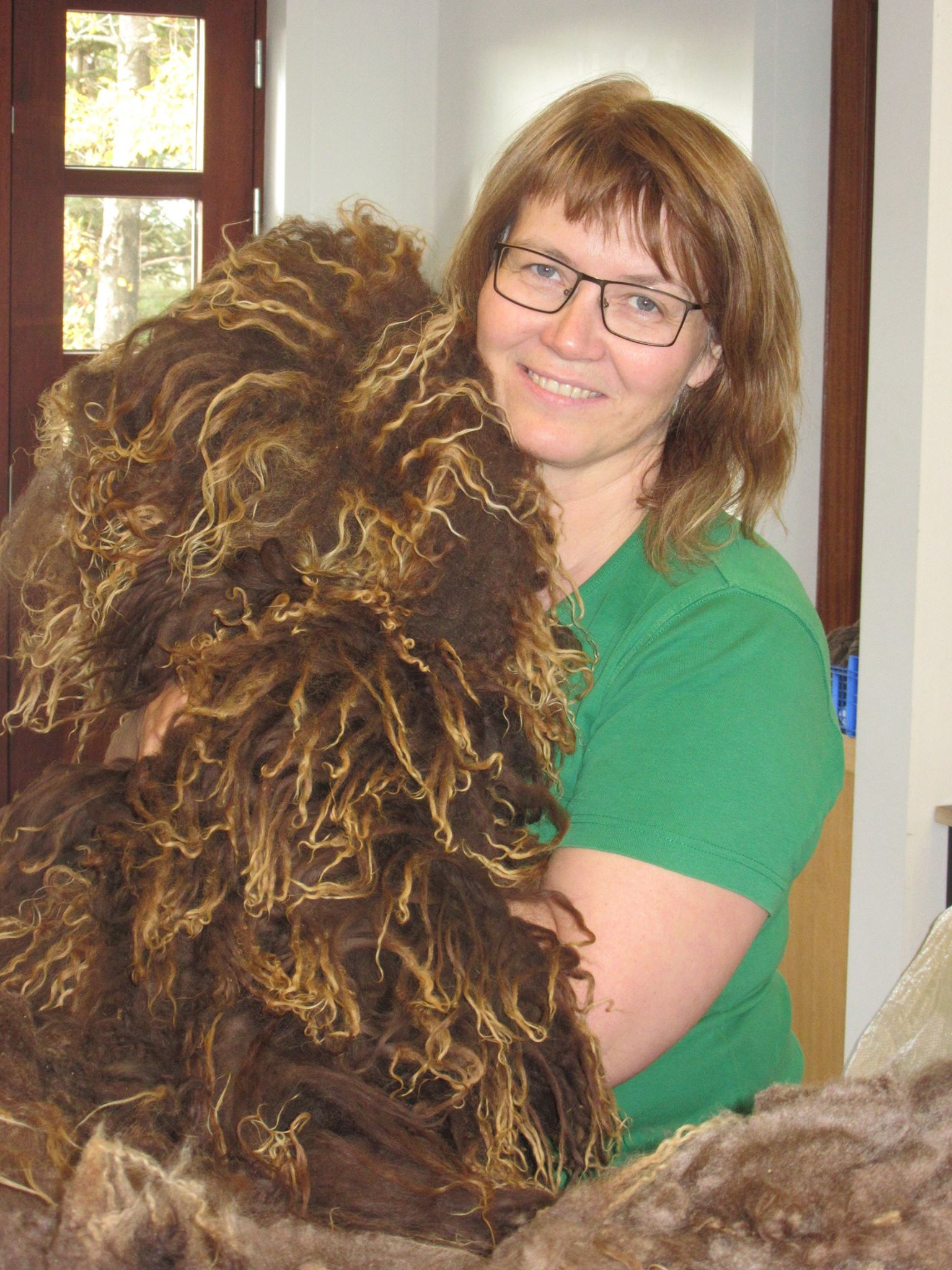
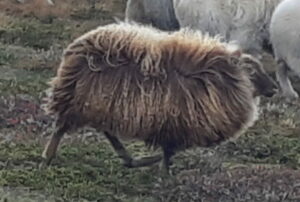
Brúnn litur í sauðfé heitir mórauður eða mórautt. Hann er líka kallaður það á Hjaltlandseyjum, bara borið aðeins öðru vísi fram. Líkt og í öllum öðrum sauðalitum, þá eru mórauðu tónarnir feiknalega margir. Svo er líka til móflekkótt og móbotnótt en þá eru hvítir flekkir á kindinni eftir ákveðnum munstrum. Sjaldgæfasti mórauði liturinn er súkkulaðibrúnn
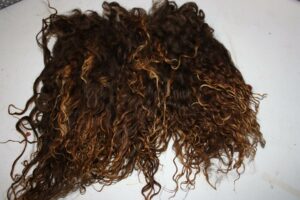
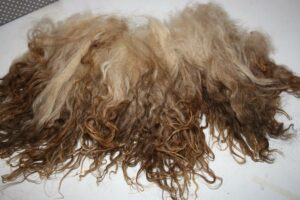
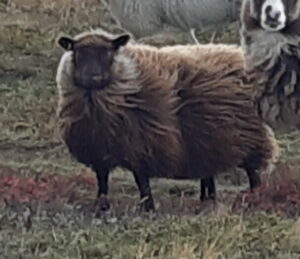
eða dökkmórauður, þar sem kindin verður ekki grá með aldrinum, heldur er dökkmórauð allt í gegnum reyfið - alla ævi. Það er sjaldgæfur litur. Mér hefur ekki enn tekist að ná þessum dökkmórauða lit í hjörðina mína, en ég mun halda áfram að reyna. Oftast eru mórauðar kindur dekkstar á þelinu og fá yndislegan gullin blæ á togið. En þær geta líka verið grámórauðar með óendanlega breytilega tóna. Allt frá því að vera ljósgráar á innri hárunum og dökkbrúnar á þeim ytri (þel og tog) og yfir í að vera dökkbrúnar á þelinu en ljósgráar á toginu,- stundum nánast hvít, og allt þar á milli. Á myndinni hér til hægri er grámórautt lamb. Þessi litur er kallaður ólitur af mörgum, en öðrum finnst hann óskaplega fallegur. (ég tilheyri seinni hópnum). Garnið verður mjög gráleitt þegar það hefur verið spunnið, en dýrið sjálft er svo fallegt. Ég á eina sem verður nánast fjólublá þegar búið er að rýja hana. Ég á ekki mynd af henni eins og er, en mun mögulega taka eina fljótlega. Hún heitir Grafa. Það hefur ekkert með litinn að gera, hún er bara af ætt sem fær nöfn tengd jarðvinnutækjum. :-) Grafa er mjög dökkbrún í framan, en mógrá á belginn þegar hún er órúin. Síðan fær hún þennan lillaða gljáa þegar ullin hefur verið tekin af. Virkilega falleg.
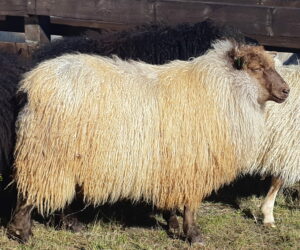
Mórauð ull upplitast mjög auðveldlega í sólarljósi, og þess vegna er það að flestar mórauðar kindur eru með gullinn blæ þegar líður á sumarið. Lokkarnir eru eins og amber og er mjöööög fallegt. Því miður gildir það sama með garnið,- það upplitast í sól. Þannig að ekki skilja eftir mórauða flík í stofuglugganum á móti suðri,- hún verður ekki lengi mórauð. Það er bara eðlilegt, en það er ekki hægt að laga það, svo ég mæli með að þið gleymið henni ekki í sólinni.s the same element in the yarn,- it fades in the sun. So do not be surprised when your garment turns a little lighter brown if you forget it in front of the South facing window. It is normal. But you can’t fix it. So I recommend that you do not forget it there.
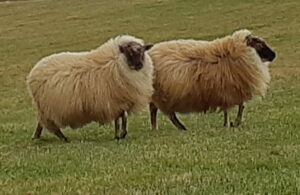
Mórauð ull er líka með því mýksta sem fæst í íslenskri ull. Það þýðir reyndar að þráðurinn verður ekki alveg eins sterkur og hægt er að fá úr öðrum litum. En það er svo gaman að vinna með hann og fá fallega tóna í garnið. Ég nota sjaldan mórautt í sokkagarn. Það þarf að vera sérvalin mórauð ull sem fær að fara í sokkagarn. En það er ekki bara af því að þræðirnir eru ekki eins sterkir, það er líka af því að ég fæ ekki svo mikið af mórauðri ull.
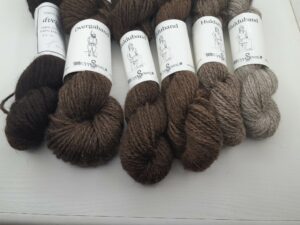
Að vinna með mórauða liti er virkilega gaman. Móflekkótt er jafnvel enn skemmtilegra og eykur fjölbreytileikann. Hægt er að fá svo marga tóna með því að nota aðeins meira af því hvíta eða aðeins meira af því mórauða þegar við vinnum það. Það eru mismundandi tónar á milli kinda, þannig að það gefur líka fleiri möguleika á að fjölga litatónum. Myndin hér til vinstri sýnir regnboga af mórauðum litum sem hefðu jafnvel getað verið fleiri. Mér finnst mjög gaman að gera ólíka litatóna og stundum set ég aukamagn af hvítu til að fá svona karamellubrúnan lit sem er mjög vinsæll núna. Lengst til hægri á myndinn er hespa sem virðist vera grá, en hún er með þennan karamellu lit þegar horft er á hana með berum augun. Hann er mjög fallegur enda vinsæll þessa dagana.
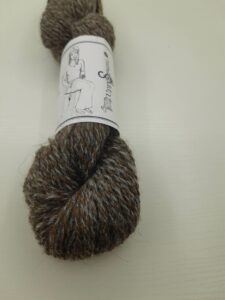
Einu sinni var langvinsælasta garnið mitt einn mórauður þráður og einn grár þráður tvinnaðir saman.read Hann seldist um leið og hann kom í hillurnar. Á myndinni hér til hægri er ein slík hespa og aftur, þá segir myndin ekki það sama og rauveruleikinn.