Svarti sauðurinn. Hversu dásamlegt er að hafa hann í hjörðinni.
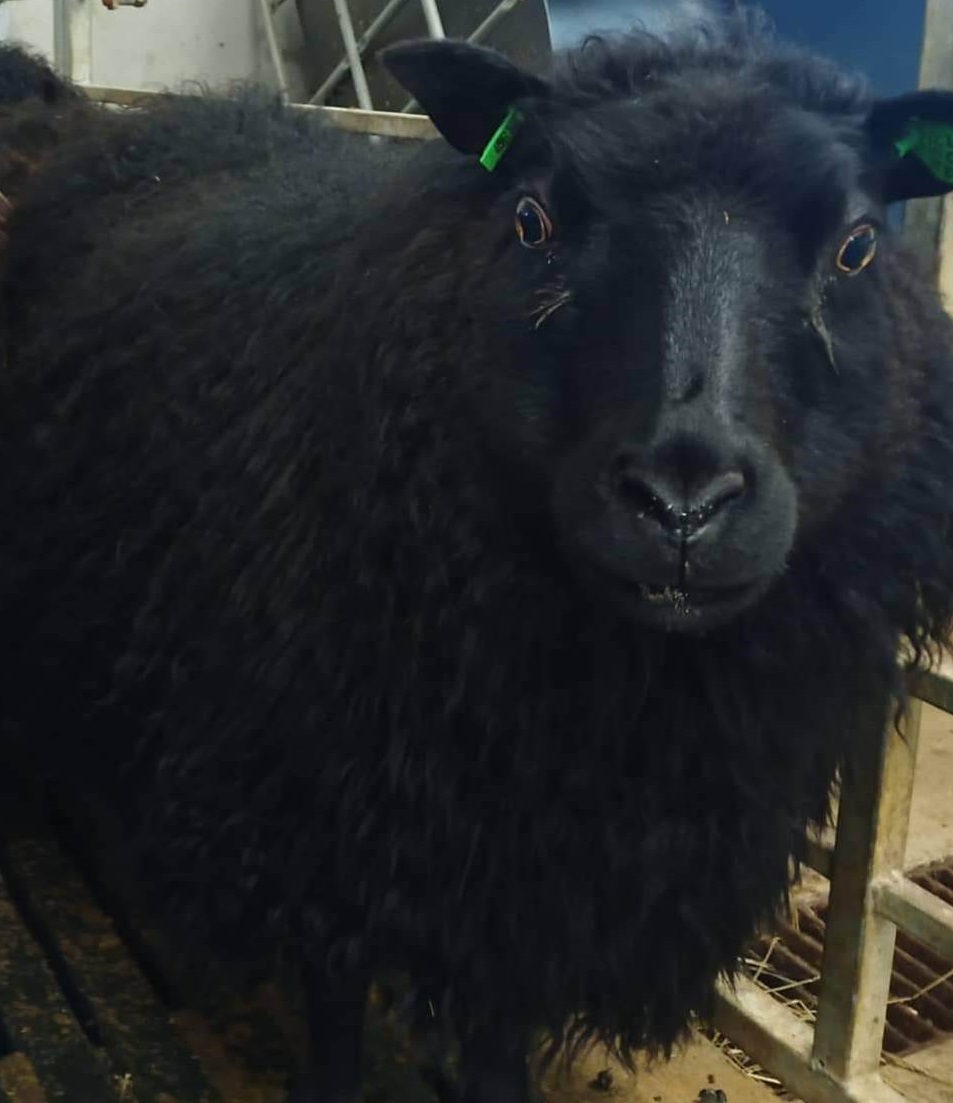
Reyndar eru flestar íslenskar kindur hærusvartar með gráum hárum í ullinni eða mósvartar þar sem móleitur blær kemur á garnið. En það eru líka til hreinsartar eða hrafnsvartar kindur í hjörðum okkar. Vissir þú að hreinsvört kind verður ekki grá þegar hún eldist? Hún gerir það ekki. Hún er bara tindrandi kolbika svört alla sína ævi, jafnvel þó hún verði 10 eða 12 vetra gömul.
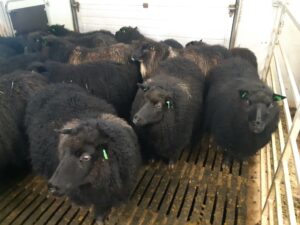
Ég er svo lánsöm að eiga alla þessa svörtu liti í hjörðinni minni. Þá mósvörtu, hærusvörtu og hreinsvörtu. Á myndinni hér til hægri má sjá alla þessa liti í fjárhúsinu okkar.
Fyrsta kindin sem ég tók eftir að hafði þennan hreinsvarta lit var Smiðja. Hún varð 10 ára gömul og það var ekki eitt grátt hár í reyfinu sem klippt var af henni síðasta árið hennar. Það var alveg stórmerkilegt. Þá var ég farin að leita að fleiri svona litum kindum í hjörðinni og tók eftir að mæðgurnar Tinna og Hrefna voru jafn svartar og Smiðja. Það góða við allar þessar kindur er að ullin þeirra er líka mjög mjúk og það er auðvelt að spinna hana í fallegt og gott garn. Yfirleitt nota ég hreinsvart í hulduband eða dís, og þá oftast í munstur, en það er líka frábært sem aðallitur. En þegar kindurnar eldast verður togið laust í þelinu og þá búum við til hjónaband úr þeirri ull, en hjónabandið er nánast eingöngu þel.
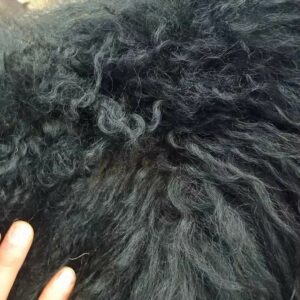
Stundum heldur fólk að garnið sem er af hreinsvörtu kindunum sé gervi litur eða alla vega litaður. En það er hann ekki. Hann er bara fullkomlega kolsvartur í náttúrulegum lit kindarinnar. - Þær geta þetta!
Mósvört kind er með brúna tóna í ullinni á yngri árum og þegar garnið hefur verið spunnið virðist það stundum nánast brúnt. Sérstaklega í ákveðinni birtu sólar. En þegar kindin eldist á hún það til að grána líka á toginu og verða þá gráleit að sjá. Þá er þelið móleitara en togið og þegar garnið er spunnið verður það mósvart með gráu ívafi. Það er því hægt að fá mismunandi tóna í garnið eftir því sem kindin eldist, eða ef maður blandar ullinni á misjafnan hátt. En þú nærð aldrei hreinsvörtum lit af mósvörtu reyfi. Yfirleitt er þessi litur kallaður sauðsvartur í íslensku garni og þjóðlega íslenska lopapeysan okkar er mjög oft prjónuð með sauðsvörtum í aðallit. Það má þó líka fá fjölbreytta munsturliti með sauðsvörtum og lífga upp á hvaða flík sem er með líflegu munstri í þeim lit.
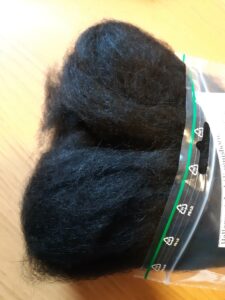
Það er ekki alltaf einfalt að sjá hvort lamb sem er svart er grásvart eða ekki. Fyrr en það er rúið. Þá kemur svona silfurslikja á belginn á þeim. Það er mjög skemmtilegt að sjá það. Þegar ullin vex síðan aftur, þá er togið orðið gráleitara en það var. - Ekki alveg grátt, en með gráum hárum innanum og saman við. En stundum eru hærusvartar kindur svo gráar á togið að þær virðast vera gráar og það er eingöngu andlitið sem kemur upp um þeirra rétta lit. Ef andlitið er svart, þá er kindin svört. Stundum eru þessar hærusvörtu kindur með svo mikið af löngum fallegum iðandi lokkum fljótandi yfir reyfið að það er unun að horfa á þær. Mér finnst besta svarta sokkagarnið koma af svoleiðis kindum. Þá er togið langt og sterkt og sokkarnir endast vel. Það er nefnilega þannig að svart er ekki alltaf mjög slitsterkt. Það getur líka reynt á þolinmæðina þegar verið er að spinna fínan þráð úr svörtu, þá vill hann slitna ótal sinnum áður en hann fer að renna í gegnum spunann án vandræða.
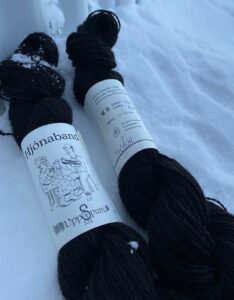
Það er ekki auðvelt að sjá litinn á garninu hennar Hrefnu á myndinni hér til vinstri. Ég setti garnið út í snjóinn til að fá skörp litaskil, en þetta gæti verið hvað sem er eiginlega... eitthvað svart... En þetta er garn og ein hespa er nóg í húfu eða vettlingapar.
Það er nú ómögulegt annað en að útskýra nafnið hjónaband fyrir ykkur. Næstum allt okkar garn heitir eitthvað -band og þegar við fórum að búa til þelband fannst okkur hjónabandið hæfa því vel. Okkur finnst nefnilega að hjónaband eigi að vera mjúkt og hlýtt og því við hæfi, þar sem þelið er mjúkt, hlýtt og einangrandi og það sem heldur kindinni - og okkur, heitum og sælum þegar við klæðumst ullarfötum.