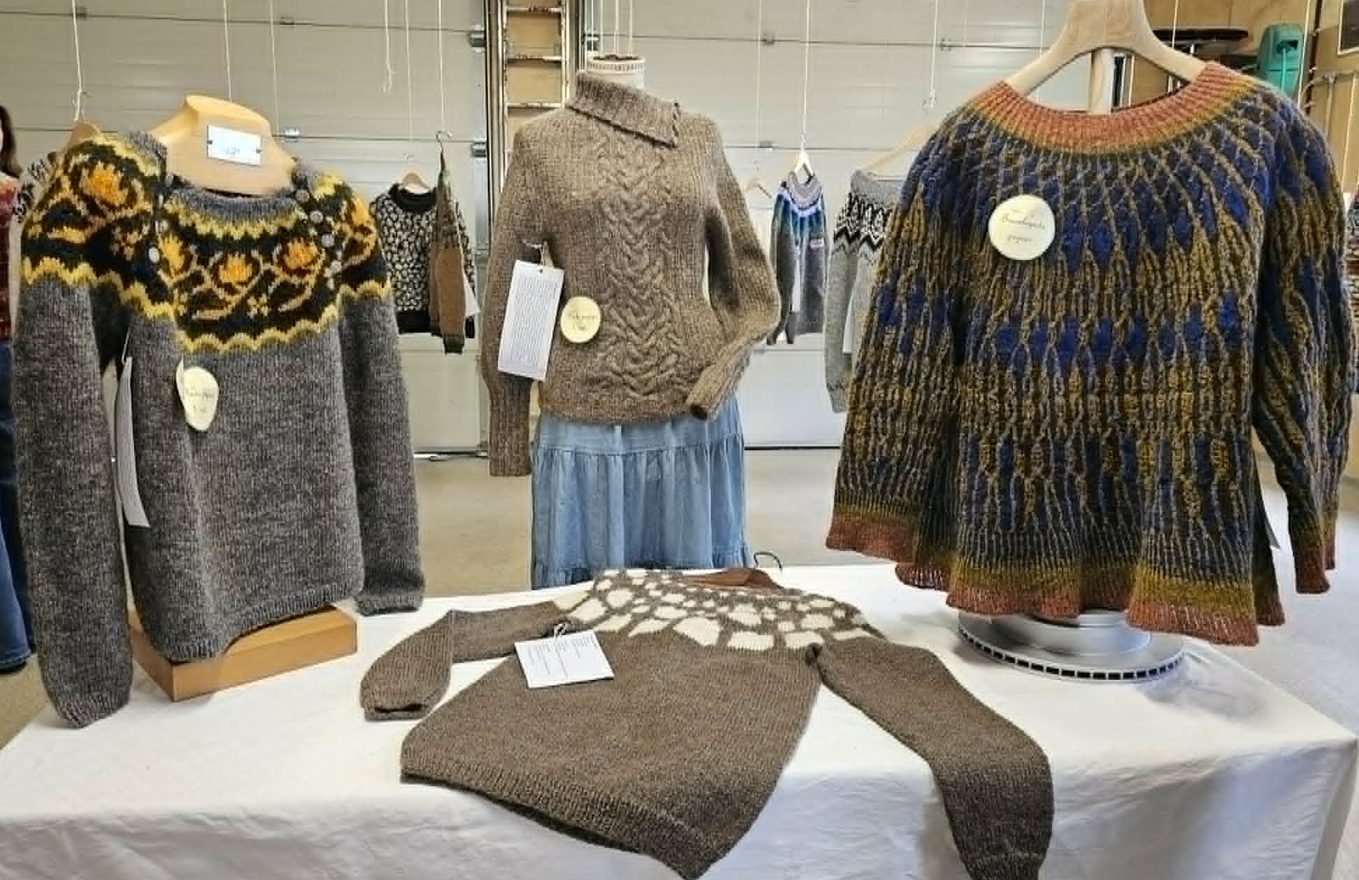
Íslenskir bændur hafa lengi verið beðnir um að rækta hvítt fé.Hvers vegna er það? Vegna þess að í stærri iðnaði er hagkvæmara að framleiða stórar lotur af sama lit. Þannig getur viðskiptavinurinn keypt sama brúna litinn eftir ár til að klára peysuna sína. Og besta leiðin til að framleiða sama litinn er að lita hvíta ull. Þess vegna er hvíta ullin verðmætari og bóndinn fær meira greitt fyrir hana og vill þá frekar rækta hvítar kindur.
Íslenska kindin hefur mjög fjölbreytta liti og mig langar að halda því fram að við eigum ennþá alla þá liti sem íslenska kindin hefur að bjóða og í rauninni alla þá liti sem íslenska kindin hafði þegar hún nam hér land með fólkinu sem kom hingað 874 og þar um kring.
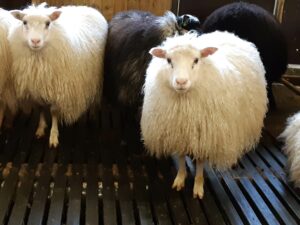
Stolt okkar hér í Uppspuna er að vinna með náttúrulega liti kindarinnar eins og þeir koma af skepnunni. Hvert reyfi býður upp á nýjan tón og við vinnum með þá. Ef við viljum gera stærri lotur blöndum við saman 3 - 5 reyfum og blöndum vel. Og það gerum við líka með hvítu litina, því hvít ull getur verið mismunandi hvít alveg eins og aðrir sauðalitir. Hún getur verið hreinhvít eins og snjór, en líka hálf kremuð og allt að því beislituð stundum. Þannig að það er til hvítt og svo er til hvítt. :-)
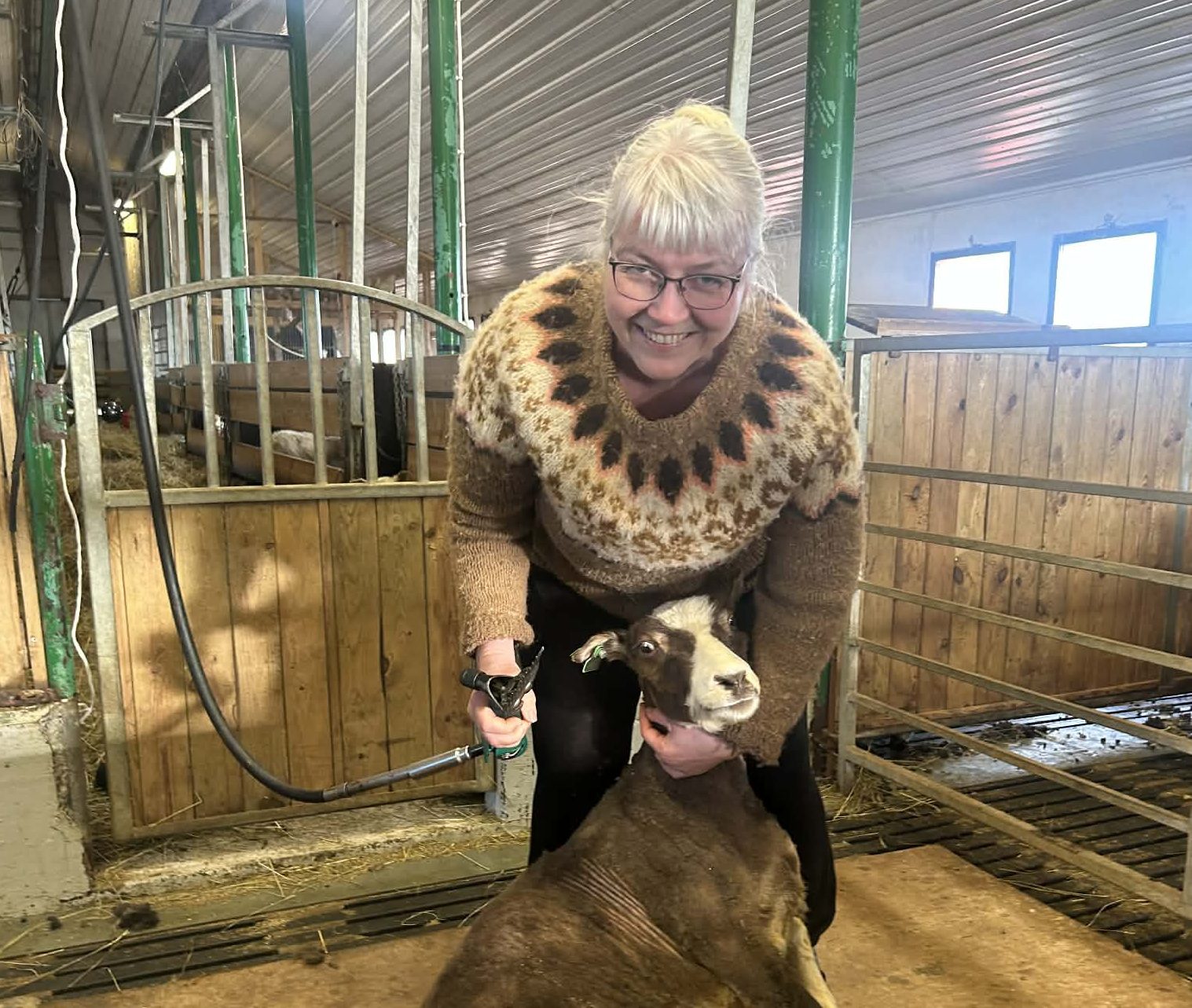
Ég byrja að vinna með litina við eldhúsborðið heima hjá mér, þegar ég ákveð hvaða hrút ég vil para með hvaða kind. Þannig get ég fundið út hvaða liti ég get mögulega fengið næsta vor og síðan vonandi ræktað áfram veturinn á eftir.Ég er svo heppin að vera með flesta mögulega liti í hjörðinni minni, þannig að ég get leikið mér aðeins með erfðafræðina þar. Stundum hlæja fjölskyldumeðlimir mínir að mér og öllu mínu skipulagi við ræktunina. En mér finnst þetta gaman.
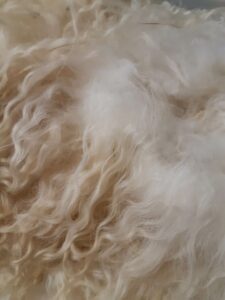
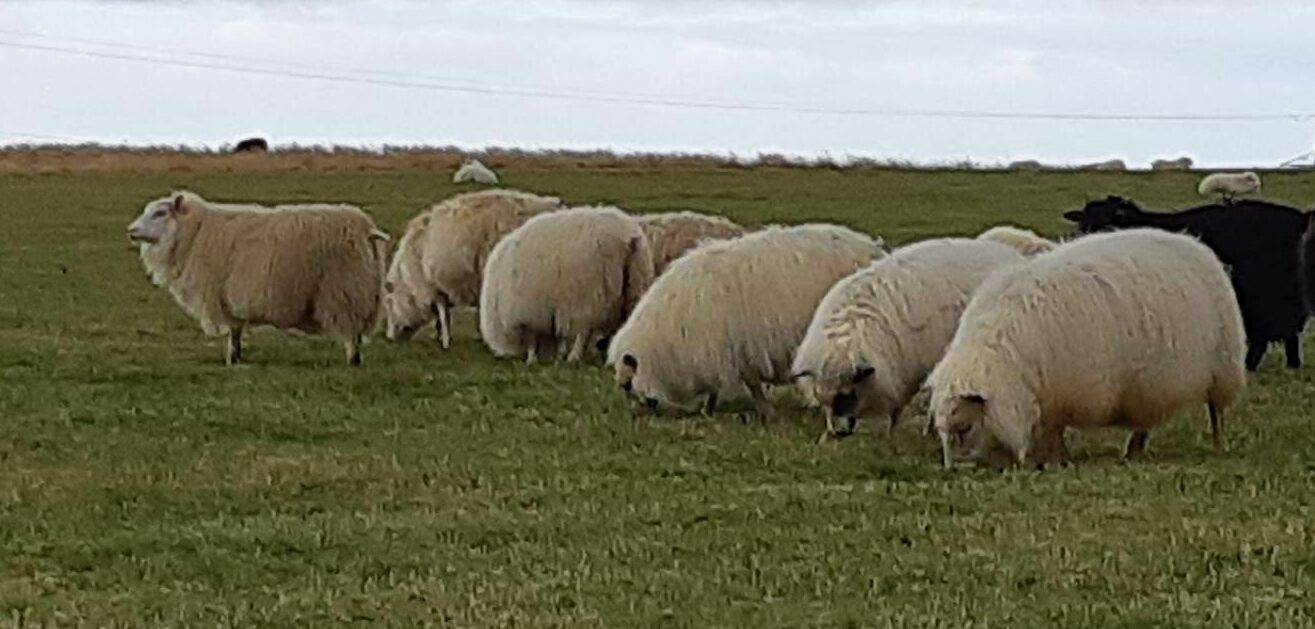
Hvítu kindurnar í hjörðinni minni eru ekki allar eins hvítar. Ég reyni að hafa fjölbreytni þar líka. Við erum með hreinhvítar kindur en líka þessar sem eru gulari og gefa kremlitaðra garn. Flestar eru þannig.
Svo eru nokkrar sem eru gular í framan. Þær geta verið með mjög fallega, mjúka hvíta ull með góðu krimpi, en ég verð að gæta mín á að fá ekki illhærur í reyfið sem eru stíf hár sem ekki spinnast, taka ekki lit og standa oft út í loftið á garni sem búið er að spinna.
Og svo eru það þær "doppóttu". Þær eru stundum með örlitlar doppur út um allan líkamann sem ekki sjást áður en þær eru rúnar. En þegar þær hafa verið rúnar, sést þetta á líkama þeirra og það sést líka í ullinni. Þessi ull getur gefið garn sem er með gráleitum blæ sem varla sést og er mjög vinsæll.
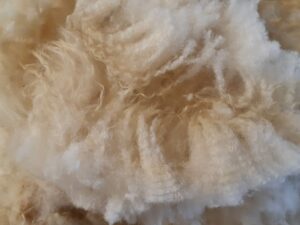
Það er magnað hversu hreinhvít ull er oft hvítari en sú sem er "venjulega" hvít og stundum eru kindur með gul andlit með þetta falleg krimp og mjög hvíta ull.
Lambsullin er oft mýkst, en það er oftast meiri vinna að ná toginu frá þelinu ef maður vill gera það og því loðir það vel saman í ferlinu. Við notum lambsull í dísarbandið, sem er fínasta garnið sem við spinnum.
Stundum blöndum við saman lambsull og ull af fullorðnu fé. Sannleikurinn er sá að því meiri gæði sem eru í ull sem notuð er í garnvinnslu, því meira hnökrar flíkin þegar búið er að prjóna hana. Þannig að mýkri og betri ull vill hnökra meira en sú sem grófari er. Þetta minnkar því aðeins í lambsullinni ef við blöndum hana með ull af eldra fé.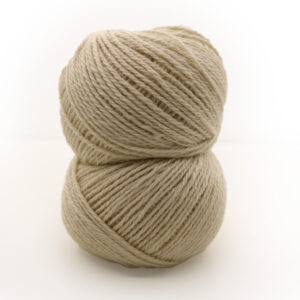 Það er líka gaman að fylgjast með aldri kindarinnar í ullinni. Lamsullin er mýkst en hentar ekki alltaf best í öll verkefni sem við viljum nota hana í. Til dæmis er ull af "miðaldra" kindum eða rúmlega unglingum best í sokkagarnið okkar. Þar eru löngu fallegu sterku lokkarnir sem gefa þennan góða styrk í sokkagarnið okkar.
Og svo þegar kindin verður gömul verður togið lint og laust í þelinu og eiginlega fýkur burt í vinnsluferlinu. Því er gott að nota ull af eldri kindum í þelbandið okkar sem við köllum hjónaband.
Það er líka gaman að fylgjast með aldri kindarinnar í ullinni. Lamsullin er mýkst en hentar ekki alltaf best í öll verkefni sem við viljum nota hana í. Til dæmis er ull af "miðaldra" kindum eða rúmlega unglingum best í sokkagarnið okkar. Þar eru löngu fallegu sterku lokkarnir sem gefa þennan góða styrk í sokkagarnið okkar.
Og svo þegar kindin verður gömul verður togið lint og laust í þelinu og eiginlega fýkur burt í vinnsluferlinu. Því er gott að nota ull af eldri kindum í þelbandið okkar sem við köllum hjónaband.
Læraullin er grófari en á baki og síðum, en stundum finnst kindunum okkar gott að klóra sér utan í sandhrúgu eða steinum og þá verður ullin full af sandi, sem gerir alla vinnslu erfiðari. Stundum er hægt að hrista sandinn úr, en ef það er mjög mikið af honum og hann situr fastur í ullinni, þá förum við með reyfið út á tún eða í grænmetisgarðinn og setjum í kringum tré eða aðrar plöntur til að halda frá þeim illgresi eða að þeim yl og raka.
Ég get bara ekki sagt það nógu oft. ULLIN ER MÖGNUÐ!